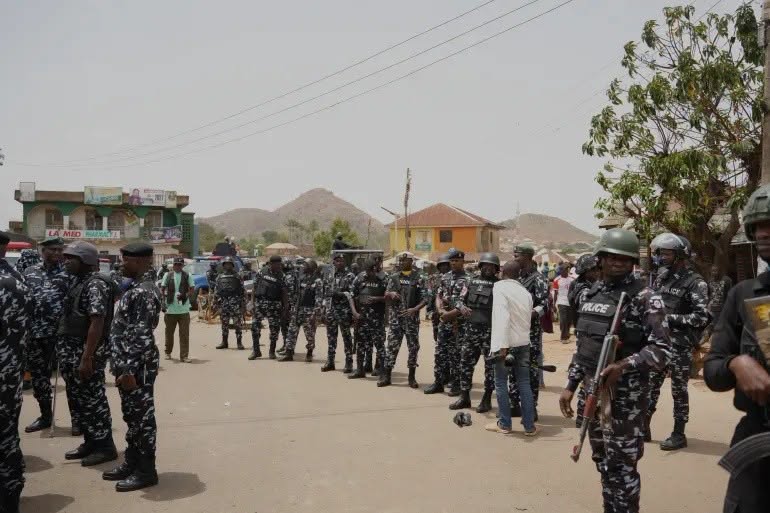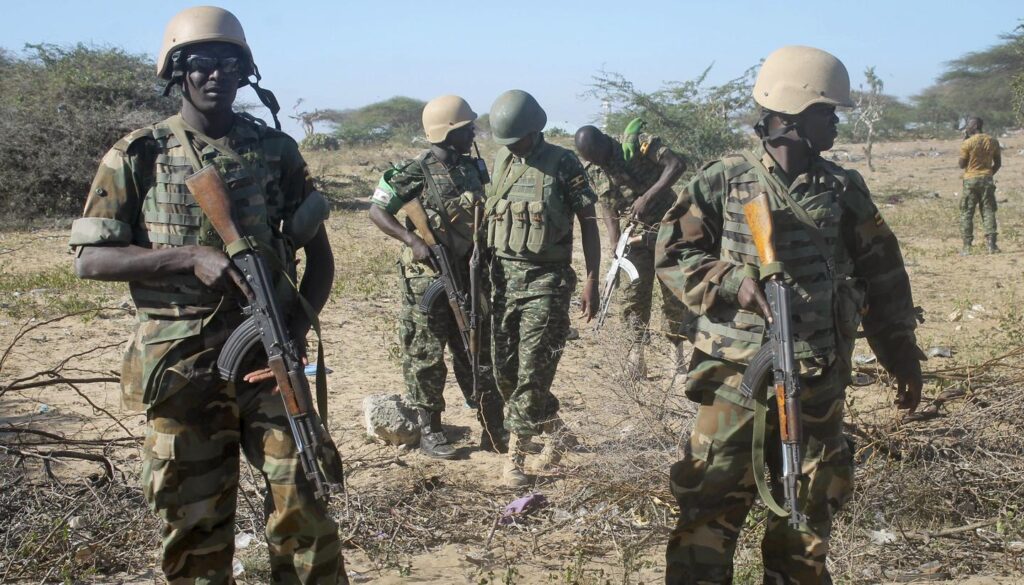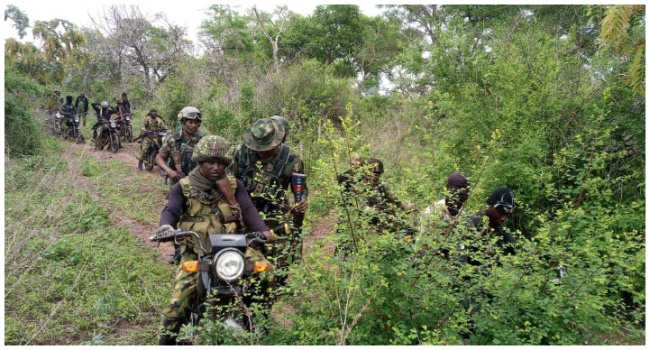
The Commander of Joint Task Force Operation Whirl Stroke, OPWS, Major General Moses Gara, has disclosed that troops operating across Benue, Nasarawa and Taraba states have rescued 337 kidnapped victims and recovered 4,105 rustled cattle in ongoing security operations.
Speaking in Makurdi on Saturday, General Gara attributed the successes recorded by the task force to the support and strategic guidance provided by the Chief of Defence Staff (CDS), General Olufemi Oluyede, the Chief of Army Staff (COAS), Lt. Gen. Waidi Shaibu, the Chief of Air Staff (CAS), and other service chiefs.
According to the commander, the military high command has consistently provided critical operational assets, including combat helicopters, fighter aircraft and other combat enablers, which have enhanced the effectiveness of operations in the region.
“Our achievements on the ground have been made possible by the support from Defence and Service Headquarters.
The strategic guidance from the CDS, COAS and CAS ensures that we always have combat helicopters and other air assets available to support operations, while the Naval Headquarters provides support through operational marine platforms and logistics,” he said.
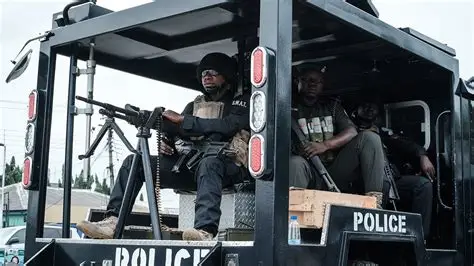
General Gara explained that OPWS was established as an intervention force to complement existing security structures in the affected states rather than replace them. He noted that the task force collaborates closely with other security agencies to address emerging threats and bridge operational gaps.
The commander also challenged the common perception that insecurity in the region is mainly caused by farmer-herder conflicts, insisting that criminal activities account for the majority of security challenges.
“From our experience on the ground, more than 80 per cent of the insecurity is driven by criminality.
While some incidents may be linked to communal disputes, criminal elements have continued to exploit the situation for kidnapping, cattle rustling and other unlawful activities,” he stated.
He emphasized the importance of intelligence gathering and community cooperation in combating insecurity, noting that information from residents has been instrumental in rescuing victims, recovering weapons and preventing attacks.
However, he expressed concern that many community members remain reluctant to share information due to fear of reprisals from criminal groups.