By Afolabi Mustapha
The Academic Staff Union of Universities, ASUU at Imo State University, IMSU, Owerri, has officially launched a total and comprehensive strike over the failure to honor the December 2025 agreement made with the Federal Government.
Union leadership formally announced the workplace shutdown during a media briefing hosted at the university campus on Monday, August 10, 2026.
According to IMSU ASUU Chairman, Stephen Oguji and Secretary Lazarus Chikwendu, the strike stems from inaction by both the university management and the Imo State Government regarding the accord, which was meant to take effect on January 1, 2026.
The union emphasized that it was forced into this action after repeated diplomatic efforts, formal submissions of the agreement, and a full 21-day ultimatum yielded zero tangible results from authorities.
“Recall that ASUU and FG on 23rd December, 2025 signed an agreement for enhanced welfare of Academic staff and for other conditions of service in public universities scheduled to take effect from 1st January, 2026,” the union stated in a press release.
Leaders noted that while other state universities in places like Bauchi, Ekiti, Ogun, Osun, and Sokoto have already implemented the terms, IMSU lecturers remain ignored nearly eight months into the year.
Beyond the main pact, the union expressed deep frustration over lingering local grievances, including unpaid promotion arrears stretching back to 2016, missing monthly salaries, withheld union dues, and unsettled Earned Academic Allowances from as far back as 2009.
ASUU-IMSU also strongly condemned the continued enforcement of the Treasury Single Account, TSA system on the institution, criticizing it as a direct threat that completely erodes university autonomy.
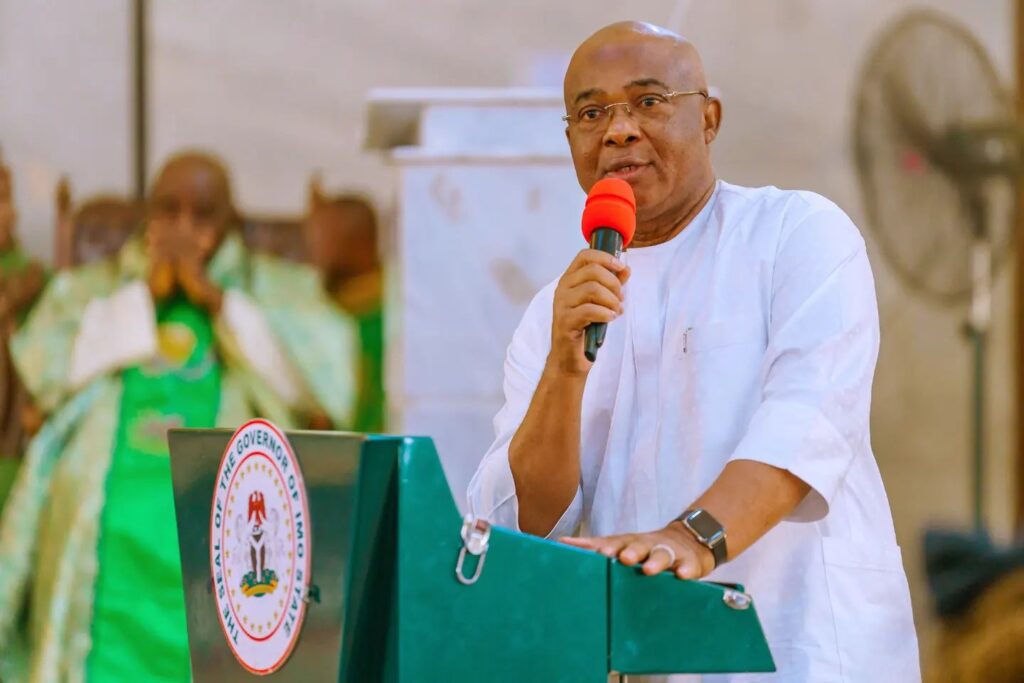
Vowing not to return to the classrooms until every term is fully satisfied, the chapter urged Governor Hope Uzodimma and key state stakeholders to intervene immediately before academic activities suffer long-term damage.
While reaffirming their openness to genuine dialogue, the union leaders insisted that their willingness to negotiate should never be mistaken for weakness while their members continue to endure poor welfare conditions.